


Homeowners Insurance: Complete Guide for 2026
Buying a home is one of the biggest financial investments most people ever make. But protecting that investment is just as important.
That’s where homeowners insurance comes in.
A good homeowners insurance policy can protect you from:
- Fire damage
- Storms and natural disasters
- Theft and vandalism
- Liability claims
- Water damage
- Expensive repair costs
Without proper insurance, a single disaster could cost tens or even hundreds of thousands of dollars.
This complete guide explains:
- What homeowners insurance covers
- What it does not cover
- Average insurance costs
- Best homeowners insurance companies
- How claims work
- Tips to lower your premiums
- How to choose the best policy in 2026
What Is Homeowners Insurance?
Homeowners insurance is a property insurance policy that protects your house, belongings, and financial liability.
It helps pay for:
- Home repairs
- Rebuilding costs
- Personal property replacement
- Temporary living expenses
- Legal liability claims
Most mortgage lenders require homeowners insurance before approving a home loan.
What Does Homeowners Insurance Cover?
Most standard homeowners insurance policies include several types of protection.
Dwelling Coverage
Dwelling coverage protects the physical structure of your home.
This includes:
- Walls
- Roof
- Floors
- Garage
- Built-in appliances
Covered events may include:
- Fire
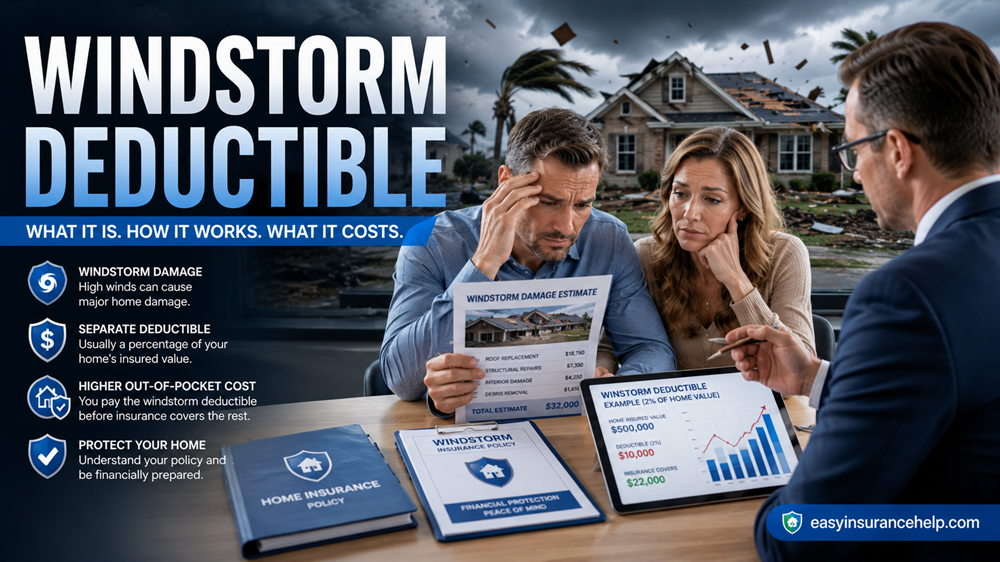
- Windstorms
- Hail
- Lightning
- Explosion damage
Personal Property Coverage
This covers your belongings inside the home.
Examples:
- Furniture
- Electronics
- Clothing
- Appliances
- Jewelry (limited coverage)
If your items are stolen or damaged, insurance may help replace them.
Liability Protection
Liability coverage protects you if someone is injured on your property.
Example situations:
- Guest slips on stairs
- Dog bite incident
- Property damage to neighbors
Liability insurance may cover:
- Medical bills
- Legal fees
- Court settlements
Additional Living Expenses (ALE)
If your home becomes unlivable after a covered disaster, ALE helps pay for:
- Hotel stays
- Food expenses
- Temporary housing
What Homeowners Insurance Does NOT Cover
Many homeowners are surprised to learn standard policies exclude several major risks.
Flood Damage
Flood insurance usually requires a separate policy.
Official information:
FloodSmart.gov
Earthquakes
Most standard policies do not cover earthquakes.
Separate earthquake insurance may be needed in high-risk states.
Normal Wear and Tear
Insurance does not cover:
- Aging roofs
- Maintenance neglect
- Pest infestations
Types of Homeowners Insurance Policies
Different policy forms offer different protection levels.
HO-3 Policy
The most common homeowners insurance policy in America.
Covers:
- Home structure for most risks
- Personal belongings for named risks
Best For
- Most single-family homeowners
HO-5 Policy
Offers broader protection with fewer exclusions.
Best For
- High-value homes
- Maximum coverage needs
HO-6 Policy
Designed for condo owners.
Covers
- Interior structure
- Personal belongings
HO-4 Policy
Also called renters insurance.
Best For
- Apartment renters
Best Homeowners Insurance Companies in 2026
Several insurers consistently rank among the best homeowners insurance providers.
According to Forbes Advisor and J.D. Power rankings, the following companies perform strongly for customer satisfaction and claims service. (forbes.com)
1. State Farm
State Farm is America’s largest home insurer.
Pros
- Strong customer support
- Extensive agent network
- Competitive bundling discounts
Best For
- Nationwide homeowners
2. Allstate
Known for customizable coverage and digital tools.
Pros
- Good mobile app
- Multiple discount options
- Strong optional coverage
Best For
- Tech-friendly homeowners
3. USAA
Available for military members and families.
Pros
- Excellent claims satisfaction
- Affordable premiums
- Strong financial ratings
Best For
- Military families
4. Amica
Highly rated for customer service.
Pros
- Excellent claims handling
- Dividend policies available
Best For
- Customer satisfaction
5. Nationwide
Offers strong replacement-cost coverage options.
Best For
- Flexible policy customization
Average Cost of Homeowners Insurance
Homeowners insurance costs vary based on:
- Home value
- Location
- Crime rates
- Weather risks
- Deductible amount
- Credit history
According to Bankrate, the average homeowners insurance premium in the U.S. continues rising due to inflation and climate-related claims. (bankrate.com)
Average Annual Premiums
| Home Value | Average Annual Cost |
|---|---|
| $250,000 | $1,400–$2,200 |
| $500,000 | $2,000–$3,800 |
| $750,000+ | $3,500–$7,000+ |
States with severe weather risks often have much higher premiums.
Factors That Affect Homeowners Insurance Rates
Location
Areas prone to:
- Hurricanes
- Wildfires
- Tornadoes
- Flooding
usually have higher premiums.
Home Age
Older homes may cost more to insure because:
- Electrical systems may be outdated
- Roofs may be older
- Plumbing risks increase
Credit Score
In many states, insurers use credit-based insurance scores.
Higher credit scores often reduce premiums.
Claims History
Multiple past claims can increase insurance costs significantly.
How to Lower Homeowners Insurance Costs
Here are proven ways to save money.
Bundle Policies
Many insurers offer discounts when combining:
- Auto insurance
- Home insurance
- Umbrella policies
Increase Your Deductible
Higher deductibles usually lower monthly premiums.
Install Security Systems
Security upgrades may reduce risk.
Examples:
- Alarm systems
- Smart locks
- Smoke detectors
- Water leak sensors
Improve Your Roof
Newer roofs often qualify for lower premiums.
Replacement Cost vs Actual Cash Value
Understanding this difference is critical.
Replacement Cost
Pays to replace items at today’s prices.
Better Coverage
- Higher premiums
- More protection
Actual Cash Value
Pays depreciated value after wear and age.
Lower Payouts
- Cheaper premiums
- Less protection
How Homeowners Insurance Claims Work
If damage occurs:
Step 1: Document the Damage
Take:
- Photos
- Videos
- Inventory lists
Step 2: Contact Your Insurance Company
File the claim quickly.
Most insurers allow:
- Mobile app claims
- Online claims
- Phone claims
Step 3: Meet the Adjuster
The insurance adjuster evaluates the damage.
Step 4: Receive Settlement
The insurer pays based on policy terms and coverage limits.
Common Homeowners Insurance Mistakes
Underinsuring the Home
Many homeowners insure based on market value instead of rebuilding cost.
Ignoring Flood Risk
Flood damage is excluded from most policies.
Choosing the Cheapest Policy
Low-cost policies may:
- Limit payouts
- Exclude key protections
- Have poor claims service
Frequently Asked Questions About Homeowners Insurance
Is homeowners insurance required?
Mortgage lenders typically require homeowners insurance before approving loans.
Does homeowners insurance cover roof leaks?
It depends on the cause. Sudden covered damage may qualify, but maintenance issues usually do not.
How much homeowners insurance do I need?
You should have enough dwelling coverage to fully rebuild your home.
Does homeowners insurance cover theft?
Yes, most standard policies cover theft of personal belongings.
What is the best homeowners insurance company?
State Farm, USAA, Amica, and Allstate are frequently ranked among the best insurers in 2026. (forbes.com)
Final Thoughts
Homeowners insurance is one of the smartest financial protections you can buy.
The right policy can protect:
- Your home
- Your savings
- Your belongings
- Your financial future
Before buying a policy:
- Compare multiple insurers
- Review coverage exclusions
- Understand deductibles
- Check replacement cost limits
- Evaluate customer reviews and claims service
A few extra minutes comparing policies today could save you thousands after a disaster.
Internal Link Suggestions
- Best Mortgage Lenders in USA
- Flood Insurance Explained
- Best Home Security Systems
- How to Lower Insurance Premiums
- Renters Insurance vs Homeowners Insurance










Leave a Reply